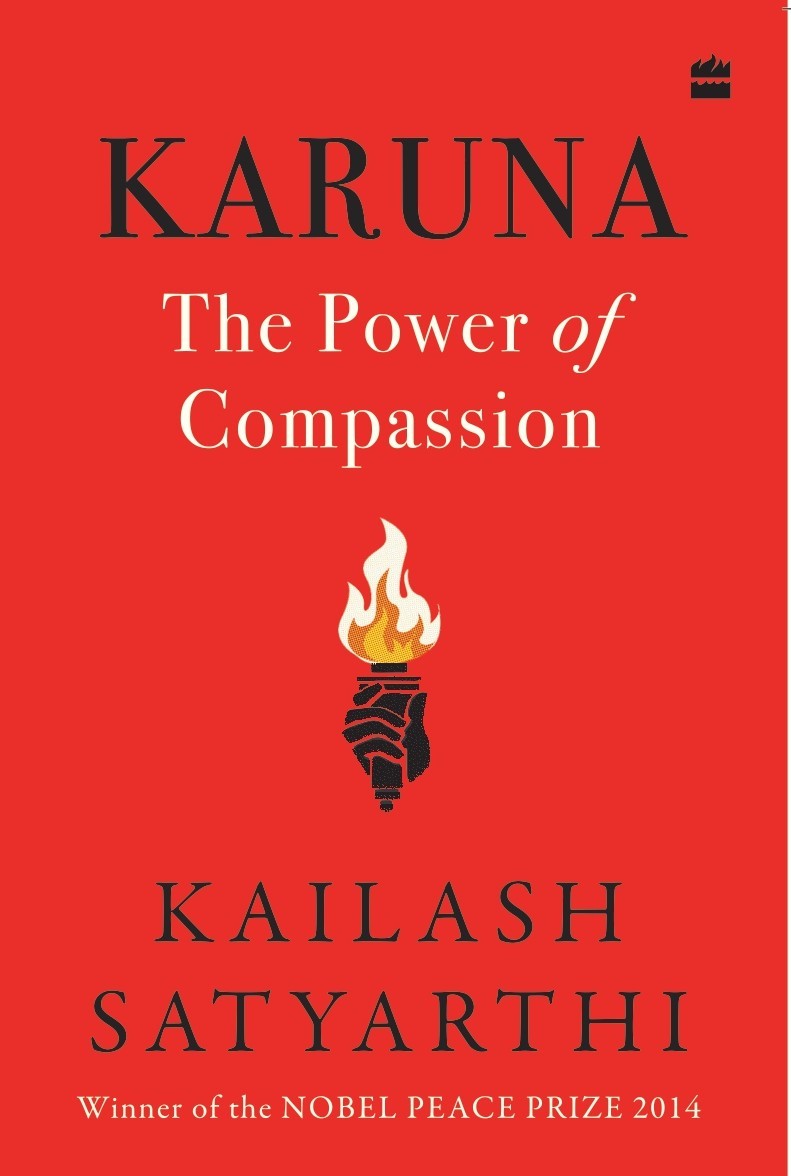
Book Excerpt: Karuna: The Power of Compassion by Kailash Satyarthi
The Global March Against Child Labour in 1985 and the Global Campaign for Education in 1999 are living examples of the globalisation of compassion. These movements transcended borders, cultures, and political systems to unite people around a shared moral responsibility.
By bringing together governments, civil society, educators, trade unions, faith leaders, and young people from across the world, these international campaigns transformed compassion from a personal feeling into a coordinated global force.
The Global March mobilised millions across continents to confront child labour. It was a watershed moment, when children who had once been child labourers, from different parts of the world entered the corridors of the ILO headquarters in Geneva shouting slogans, ‘Child Labour, Down, Down’. This historic march led to the universal ratification of the ILO Convention 182 in 1999.
The Global Campaign for Education urged governments and the global community to uphold the right of all individuals to receive free, quality public education.
Together, both these initiatives demonstrate how compassion, when organised and globalised, can reshape international agendas, influence policy frameworks, and create lasting systemic change that places human dignity at the centre of global progress, proving that moral courage, when collective, has the power to redefine global priorities and shared responsibility.
“I am not a preacher or teacher of Compassion; I have made it a way of life. For the last five decades, I have fought for the rights and dignity of millions of the most marginalised people across the globe. Through every success and failure, Compassion has been my driving force.”
Excerpted with permission from the author and publisher of Karuna: The Power of Compassion by Kailash Satyarthi (Harper Collins, 2026).
About the Book
Never before has our world been so wealthy, well-informed and technologically advanced. Yet we are facing an unprecedented crisis: humanity is plagued by conflict, inequality and indifference. It is imperative, therefore, that we rethink our approach to life and society, and that we do so now. The answer lies in karuna, compassion.
Compassion is not a soft emotion but a powerful force for transformation. It transcends borders, ideologies, religions and politics. And it asks only this: Act mindfully, as if the world is all one family—because it is.
Nobel Peace Prize awardee Kailash Satyarthi has fought for the rights and dignity of millions of marginalized people across the globe for the past five decades. For him, compassion is a way of life. In this new book, he shows us how karuna is the answer to our individual, social and global problems, and the key to a better future.
About the Author
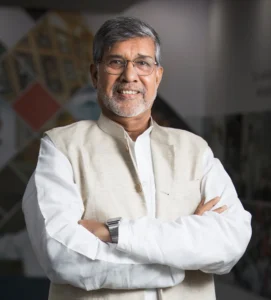
Kailash Satyarthi, awarded the Nobel Peace Prize in 2014, has dedicated more than five decades to defending the rights and dignity of marginalized children and communities around the world. He believes Karuna—compassion—is the most powerful force for building a just, equitable, peaceful and sustainable world, and one that must guide how individuals, institutions and societies think and act.